
What is an explosion-proof CCTV camera?
An explosion-proof CCTV camera is a surveillance camera designed for locations where flammable gas, vapor, dust or other hazardous substances may be present. Its enclosure and electrical design are intended to reduce the risk that normal operation could ignite the surrounding atmosphere.
This is different from simply using a weatherproof outdoor camera. A camera can be protected against rain and dust without being suitable for a classified hazardous area. For this reason, buyers should evaluate the complete certified product and installation system rather than judging a camera only by its resolution or housing appearance.
Depending on the project, an explosion-proof surveillance system may include fixed cameras, PTZ cameras, dome cameras, infrared units, network connections, junction boxes, flexible tubes and mounting brackets.
Why are explosion-proof cameras used in industrial facilities?
Standard cameras may not be appropriate for areas where combustible materials create additional safety requirements. An explosion-proof camera can support visual monitoring while the facility manages operational and safety risks.
Common applications include:
- Oil and gas exploration and storage areas
- Refineries and petrochemical facilities
- Chemical plants and processing areas
- Mining sites and dusty industrial environments
- Fuel stations and energy facilities
- Offshore or coastal industrial locations
- Large outdoor industrial yards and construction areas
The camera does not replace a facility’s safety procedures, electrical classification review or inspection program. It is one part of a complete monitoring and risk-management system.
How should you choose an explosion-proof CCTV camera?
1. Start with the hazardous-area classification
Before comparing camera models, confirm the classification of the installation area. The project engineer or safety team should identify the relevant zone or division, gas or dust group, temperature requirements and environmental conditions.
The camera certificate must match the intended area. Do not select a model only because its product title contains “explosion-proof.” Ask for the exact certificate and verify that it covers the application, installation method and local compliance requirements.
2. Select the right camera form factor
The best camera shape depends on coverage, distance, mounting position and the type of detail operators need to identify.
| Camera type | Best suited for | Main consideration |
|---|---|---|
| Explosion-proof PTZ camera | Large yards, storage areas, roads and wide industrial zones | Pan, tilt, zoom, control range and mounting structure |
| Explosion-proof dome camera | Fixed-area monitoring with a compact appearance | Lens selection, viewing angle and installation height |
| Explosion-proof bullet camera | Perimeters, entrances, corridors and directional views | Long-distance coverage, lens angle and mounting direction |
| Explosion-proof infrared camera | Low-light or night monitoring | IR range, reflective surfaces and night-image performance |
| Explosion-proof thermal camera | Temperature differences, low visibility or early warning applications | Thermal purpose, measurement requirements and model capability |
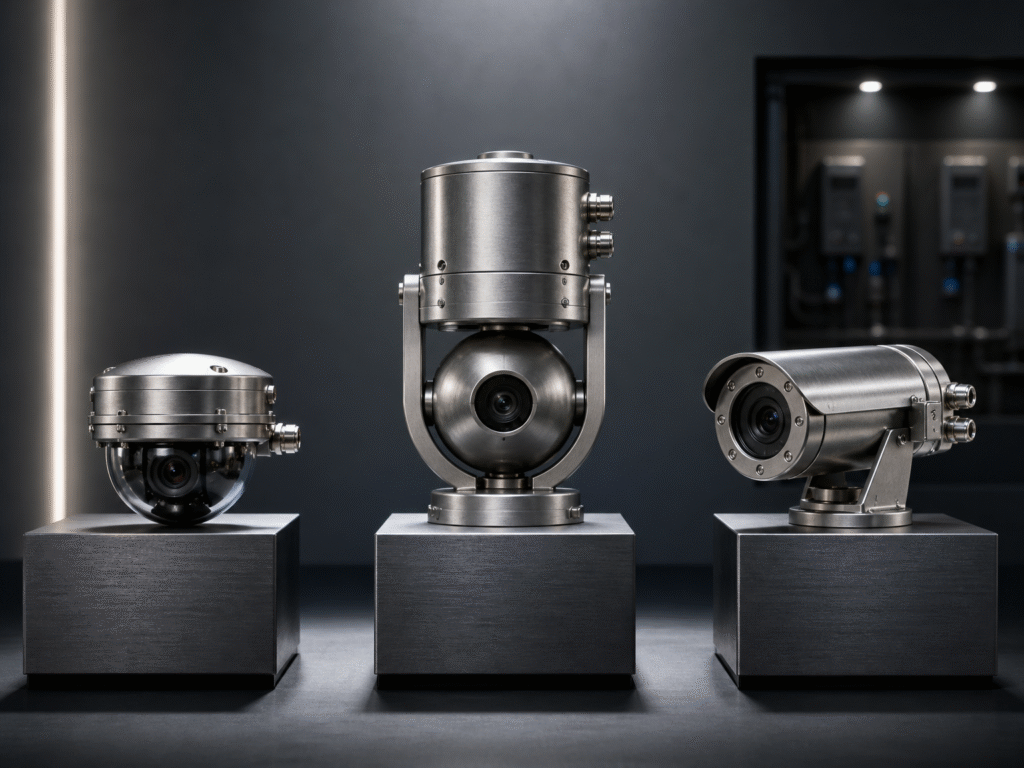
Figure 2. Three common explosion-proof camera form factors: PTZ, dome and bullet. Insert after the camera-type comparison table.
A PTZ camera can cover a broad area, but it may not show every direction simultaneously. A fixed dome or bullet camera can provide continuous coverage of a specific point. Many large sites use a combination of camera types rather than relying on one model.
3. Match resolution and lens performance to the task
Resolution should be selected according to the identification task, not used as an isolated marketing number. A camera for monitoring a nearby gate may need a different lens and field of view from a camera observing a distant pipeline, road or storage yard.
Consider:
- Required identification distance
- Target size in the image
- Wide-area overview versus detail capture
- Fixed lens, varifocal lens or optical zoom
- Daylight and low-light conditions
- Backlight, glare and high-contrast scenes
- Compression, frame rate and network bandwidth
For long-distance monitoring, optical zoom is generally more useful than relying only on digital enlargement. The final lens selection should be based on a site drawing or a verified field-of-view calculation.
4. Check the enclosure material and corrosion resistance
Industrial facilities may expose equipment to rain, salt air, dust, cleaning chemicals, humidity or corrosive gases. The enclosure material and surface treatment should match the environment.
HIKWIFI’s industrial camera information highlights stainless-steel construction options and corrosion-resistant product design. However, the exact material, finish and environmental suitability vary by model. Confirm whether the selected camera uses the required housing material and whether additional protection is needed for the site.
5. Verify the IP or environmental protection rating
An IP rating describes protection against solid particles and water under defined test conditions. It does not by itself prove that a camera is explosion-proof or suitable for a particular hazardous-area classification.
When reviewing the datasheet, check:
- IP protection rating
- Resistance to dust and water exposure
- Operating temperature range
- Humidity and condensation conditions
- Corrosion exposure
- Vibration or impact requirements
- Cable entry and connector protection
The rating of the camera, junction box, flexible tube and other exposed accessories should be considered together. A strong camera enclosure cannot compensate for an unsuitable connection or mounting system.
6. Plan night monitoring carefully
Many industrial sites require continuous monitoring after dark. Night performance depends on more than an infrared-distance number.
Review the camera’s:
- Infrared illumination design
- Low-light sensitivity
- White-light or full-color night capability, if required
- WDR performance for bright lights and dark areas
- Reflection control around metal surfaces
- Focus performance when lighting changes
- Image detail at the actual working distance
The camera should be tested in a representative scene when possible. Metal pipes, tanks, fences, signs and wet surfaces can create reflections that reduce night-image quality.
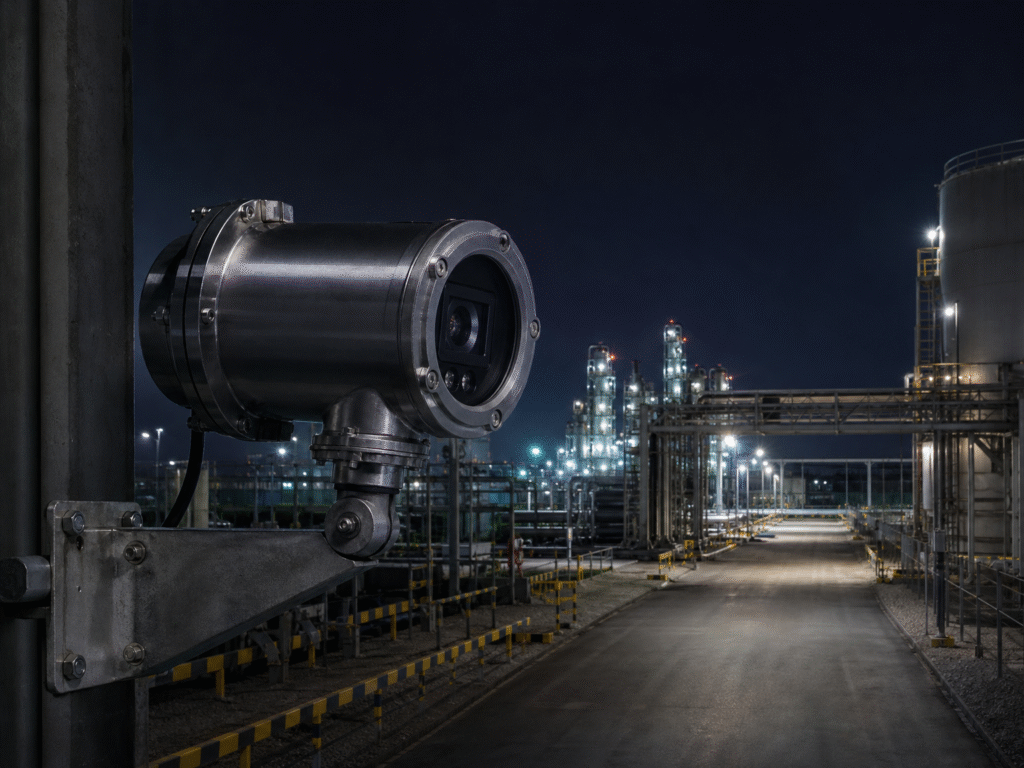
Figure 3. Night monitoring example for an industrial camera system. Insert after the night-monitoring guidance in this section.
7. Confirm network, power and recording compatibility
An explosion-proof camera still needs a reliable system connection. Before purchase, confirm how the camera will connect to the network, how it will receive power and how video will be recorded or managed.
Check compatibility with:
- Ethernet or fiber network design
- PoE or other power arrangements, when supported
- NVR or VMS platform
- ONVIF or required integration protocol
- Video codec and stream settings
- Alarm input and output
- Remote viewing and user permissions
- Surge protection and grounding plan
For hazardous locations, the connection path and accessories should be reviewed by a qualified professional. The camera should not be treated as an isolated device.
8. Choose accessories as part of the system
Correct accessories can affect both safety and long-term reliability. Depending on the installation, a project may need an explosion-proof junction box, flexible tube, cable gland, mounting bracket, sunshield or other certified component.
Check that:
- The accessory is suitable for the same environment
- Cable entries are correctly sealed
- The mounting structure supports the camera weight and movement
- PTZ movement does not place stress on the cable path
- Maintenance access is practical
- The complete installation follows the applicable local requirements
A camera with a suitable certificate can still create a system problem if the cable entry, bracket or junction arrangement is not appropriate.
Explosion-proof IP camera, dome or bullet camera: which is better?
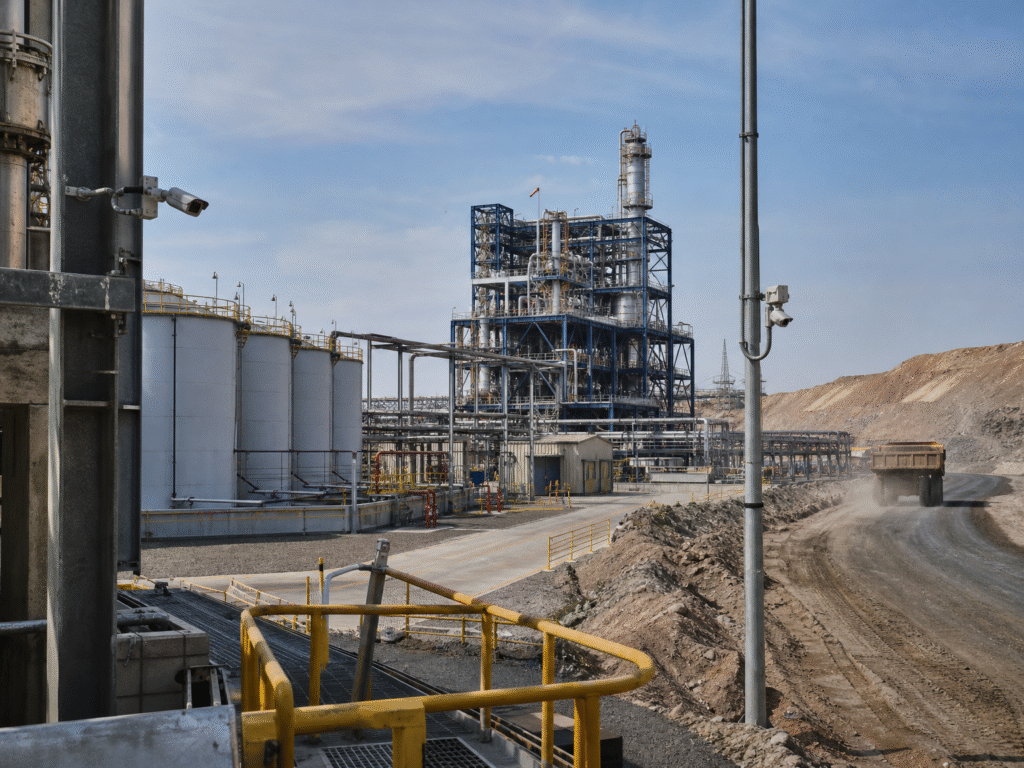
Figure 4. Industrial application scene covering storage, processing and dusty access areas. Insert below this heading before the comparison guidance.
There is no single best design for every site. The correct choice depends on the area to be monitored and the visual task.
Choose an explosion-proof PTZ camera when operators need to inspect several directions, follow activity across a large yard or zoom in on distant targets. Choose a fixed dome camera when the priority is continuous coverage of one defined area with a compact installation. Choose a bullet camera when a directional view is needed for a perimeter, entrance, road or corridor.
For a large facility, a layered design is often more effective: fixed cameras provide continuous views of important points, while PTZ cameras support wider-area inspection and incident response.
Why work with an experienced explosion-proof camera manufacturer?
A capable manufacturer should provide more than a product photo and a resolution number. Before placing an order, request:
- The exact model datasheet
- The applicable explosion-proof certificate
- Protection and environmental ratings
- Lens and night-vision information
- Network and protocol details
- Installation drawings and cable-entry guidance
- Recommended brackets and accessories
- Sample footage or testing information, when available
- OEM or customization scope, if required
- Technical support for system integration
HIKWIFI presents PTZ, dome and bullet explosion-proof camera series for industrial surveillance applications. Its published industrial camera information also describes use cases including oil and gas, chemical, mining, offshore and other demanding environments. Buyers should still confirm every certification, parameter and accessory against the exact model selected for the project.
How to build a practical explosion-proof camera system
A practical project workflow can follow these steps:
- Map the site and identify critical areas.
- Confirm the hazardous-area classification and environmental conditions.
- Define each camera’s monitoring task and identification distance.
- Select PTZ, dome, bullet, infrared or thermal cameras as required.
- Check certificates, IP rating, housing material and temperature limits.
- Design the network, power, cable entry and recording system.
- Select compatible junction boxes, flexible tubes and brackets.
- Test image performance in representative day and night conditions.
- Confirm installation, inspection and maintenance procedures.
- Keep the final datasheets and certificates with the project documentation.
Frequently asked questions
Is an outdoor IP camera the same as an explosion-proof CCTV camera?
No. An IP rating describes resistance to solids and water under defined conditions. Explosion-proof suitability requires separate product design and certification for the intended hazardous area.
Should I choose a PTZ, dome or bullet camera?
Choose PTZ for wide-area inspection and optical zoom, dome for fixed-area coverage with a compact form, and bullet for directional monitoring of entrances, roads and perimeters. Large sites may need more than one camera type.
Are explosion-proof cameras suitable for oil and gas facilities?
They can be used when the exact model certification, temperature class, environmental rating and installation method match the requirements of the facility. The final selection must be verified by the project and safety teams.
Does a higher megapixel count always provide better monitoring?
No. Image quality also depends on the lens, field of view, lighting, compression, installation distance and scene conditions. The camera should be selected for the required identification task.
Do accessories need to be explosion-proof or environmentally compatible?
The accessories and cable-entry system must be suitable for the installation environment and compatible with the complete camera installation. Confirm the required components with the manufacturer and qualified installer.
What should I request from an explosion-proof camera manufacturer?
Request the exact datasheet, certificate, environmental ratings, lens details, night-performance information, installation drawings, compatible accessories and technical support scope.
Conclusion
Choosing an explosion-proof CCTV camera requires more than comparing resolution or price. Start with the hazardous-area classification, then match the camera type, lens, housing, protection rating, night performance, network design and accessories to the real site conditions.
HIKWIFI provides explosion-proof PTZ, dome and bullet camera options for industrial monitoring projects. Review the exact product documentation and contact the HIKWIFI team for a configuration based on your facility, coverage targets and compliance requirements.
Suggested HIKWIFI internal links
- Industrial Explosion-Proof Cameras
- Explosion-Proof Camera Category
- HIKWIFI Solutions
- Network Camera Guide
- HIKWIFI Products
- Contact HIKWIFI